Surgeon’s note
Safety doesn’t come from geography.
It comes from planning, surgical precision, and structured follow-up.

This is one of the most common questions I receive from international patients:
“Is breast augmentation in Korea really safe for foreigners?”
As a plastic surgeon who performs breast augmentation regularly, my answer is always the same.
Yes — but safety does not come from the country itself.
It comes from how the surgery is planned, performed, and followed up. In this article, I’ll explain what actually determines safety in breast augmentation, and what foreign patients should look for when considering surgery in Korea.
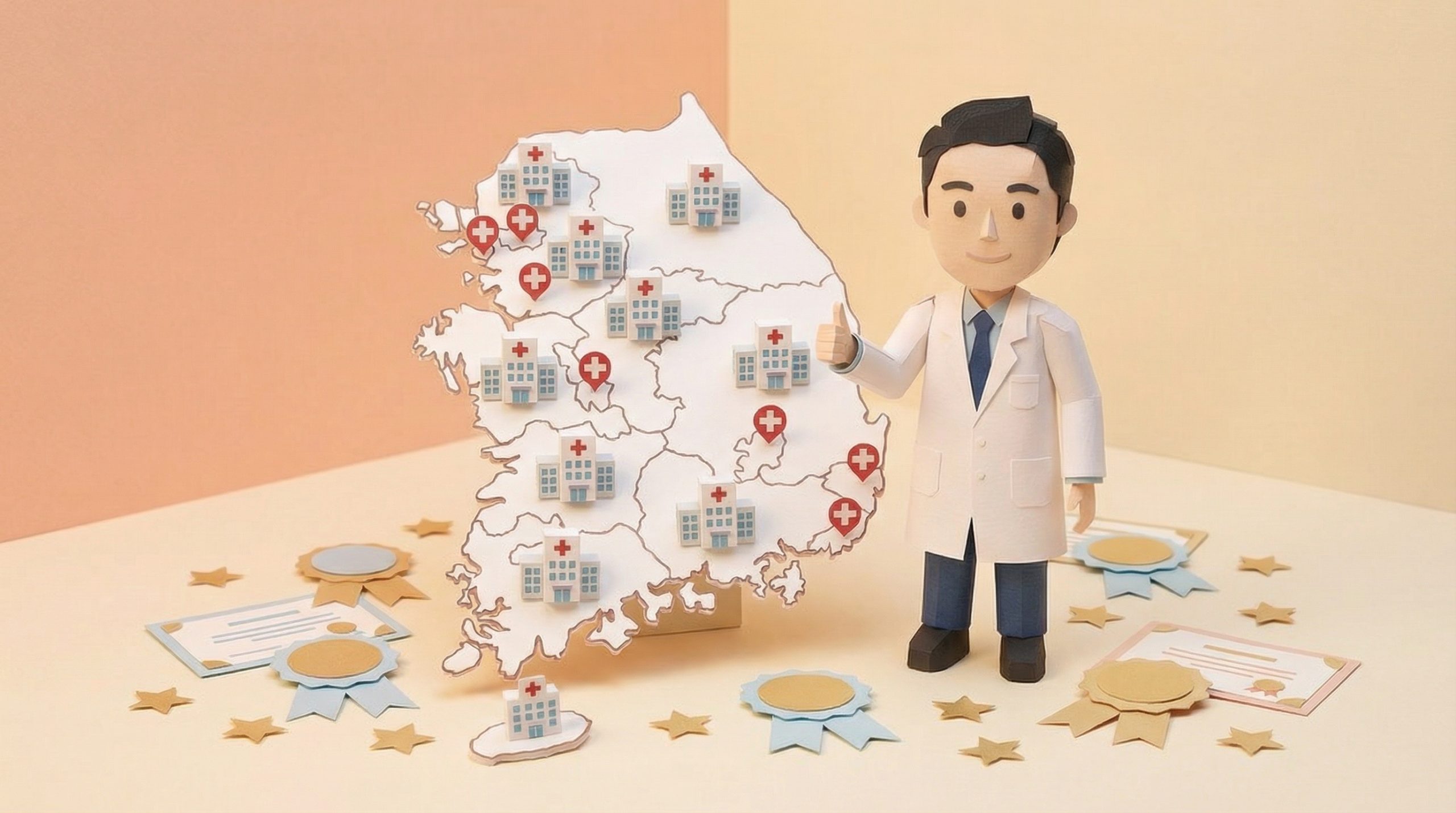
1) Why Korea Is Known for Safe Breast Augmentation

One advantage often associated with Korea is experience gained through high surgical volume. Many breast surgeons here perform a large number of augmentations each year. This matters because breast augmentation isn’t just about placing an implant. It involves decision-making based on anatomy, tissue behavior, and long-term change.
- Soft tissue handling and minimizing trauma
- Accurate implant positioning and pocket control
- Predicting how the breast will change over time
When you perform the same procedure repeatedly, you begin to recognize subtle patterns that directly translate into safer surgical decisions.
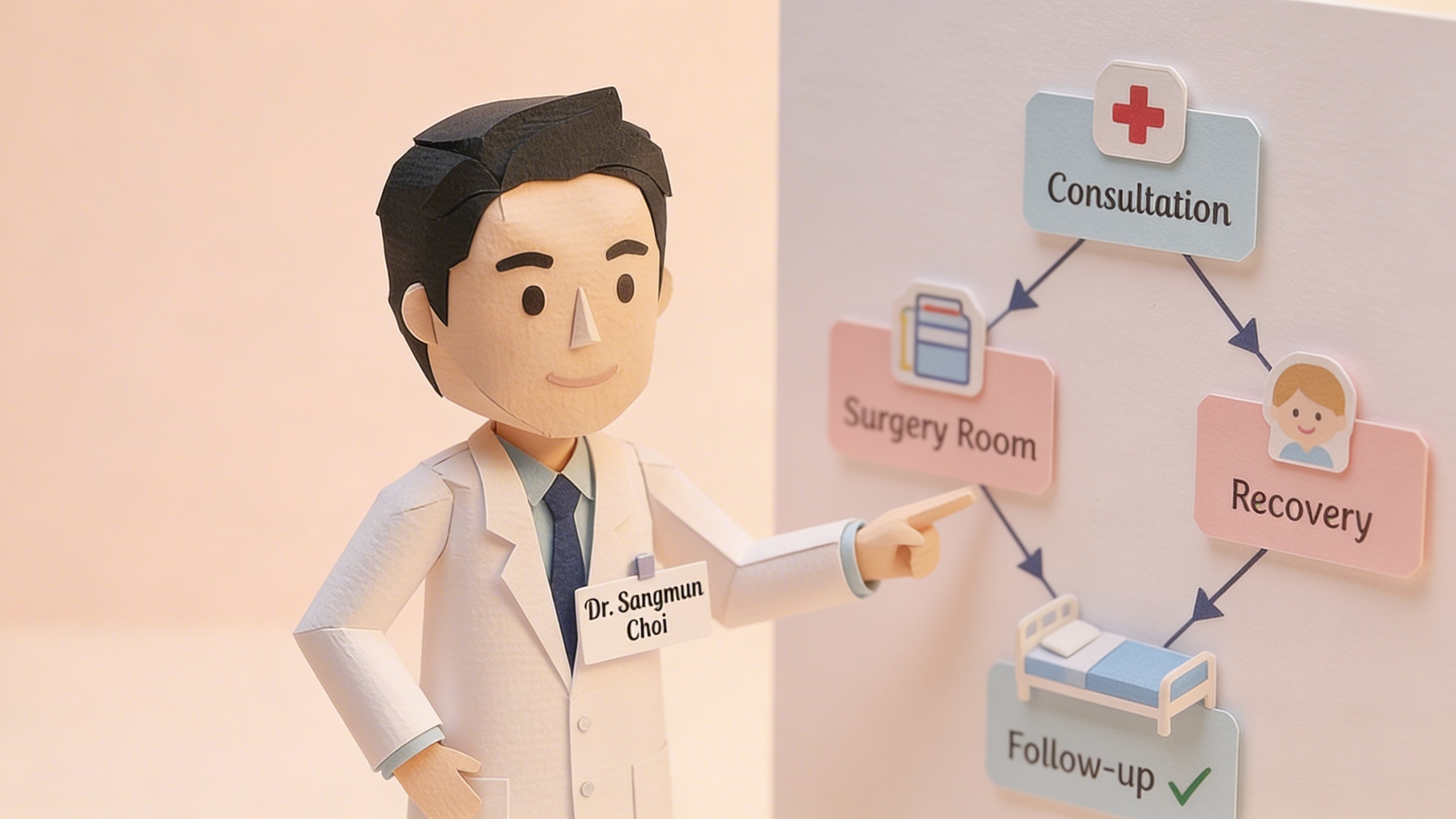
2) Safety Is More Than the Surgery Itself

From a surgeon’s perspective, the operation is only one part of what makes a procedure safe. Equally important are the systems around it:
- Preoperative planning (measurements, goals, implant selection, incision planning)
- Intraoperative precision (bleeding control, gentle tissue handling)
- Postoperative monitoring (early checks and structured follow-up)
In many Korean clinics, ultrasound imaging is commonly used after breast augmentation. This can help:
- Confirm implant position
- Detect fluid collections early
- Monitor capsule-related changes before they become visible
Early detection is one of the most underestimated factors in surgical safety.
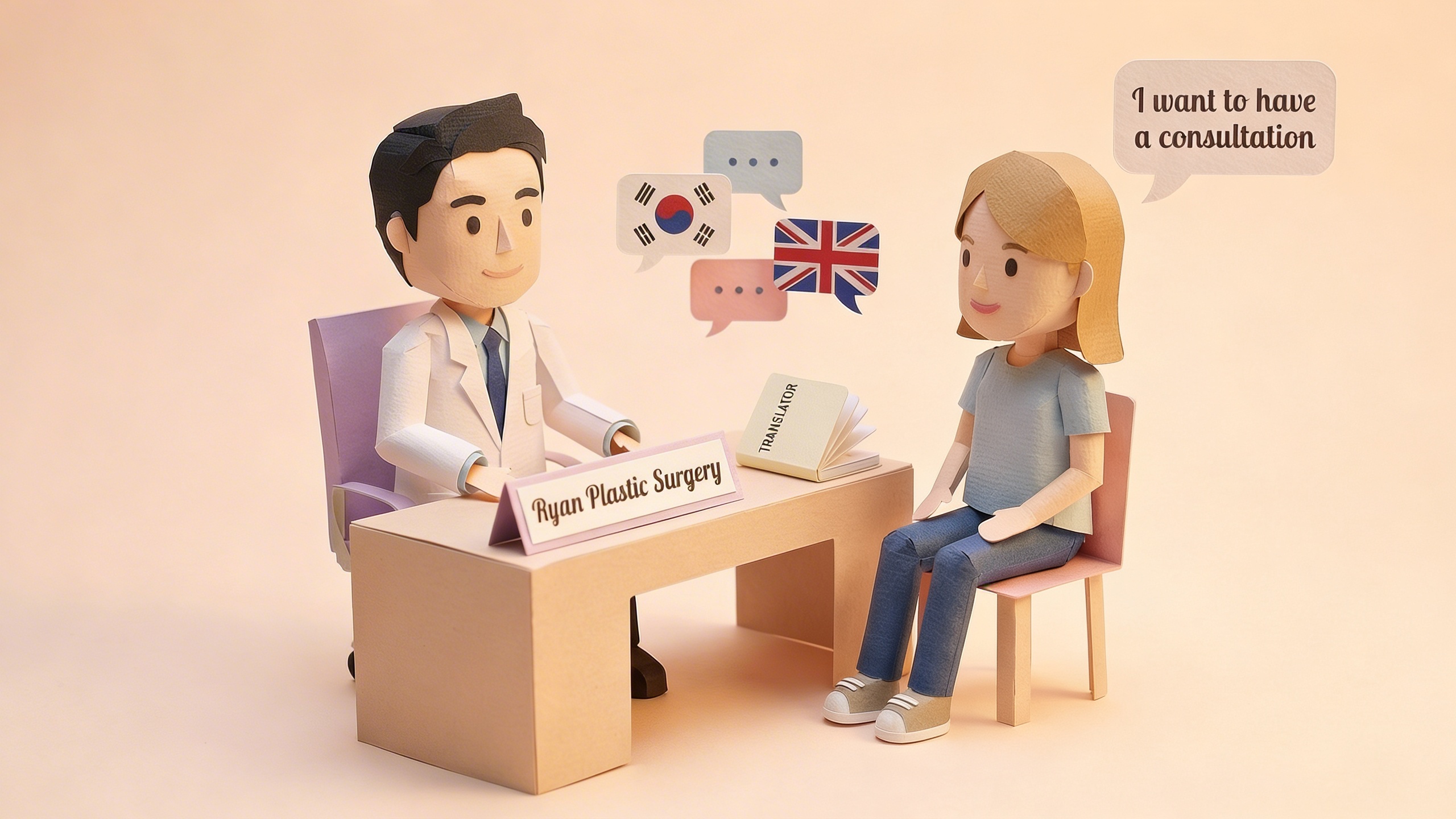
3) Is Language a Safety Issue for Foreign Patients?
This is a very reasonable concern. Communication isn’t a “nice-to-have”—it’s part of safety. A proper consultation should clarify:
- What the patient wants (aesthetic goals)
- What is realistically achievable (anatomy-based limits)
- What risks exist (and what recovery looks like)
If communication feels unclear or rushed, that itself is a safety issue—anywhere in the world. Safety begins with understanding, not geography.
4) How Long Should Foreign Patients Stay in Korea After Surgery?
I commonly recommend 7 to 10 days for foreign patients, when possible. This timeframe allows:
- Early swelling and bleeding risks to pass
- Initial wound evaluation
- At least one postoperative check before flying
Flying too soon isn’t ideal. Cabin pressure changes and prolonged sitting can increase discomfort and swelling. Before you leave Korea, the goal is to confirm:
- Healing is progressing normally
- There are no early warning signs
- You know what to expect during recovery
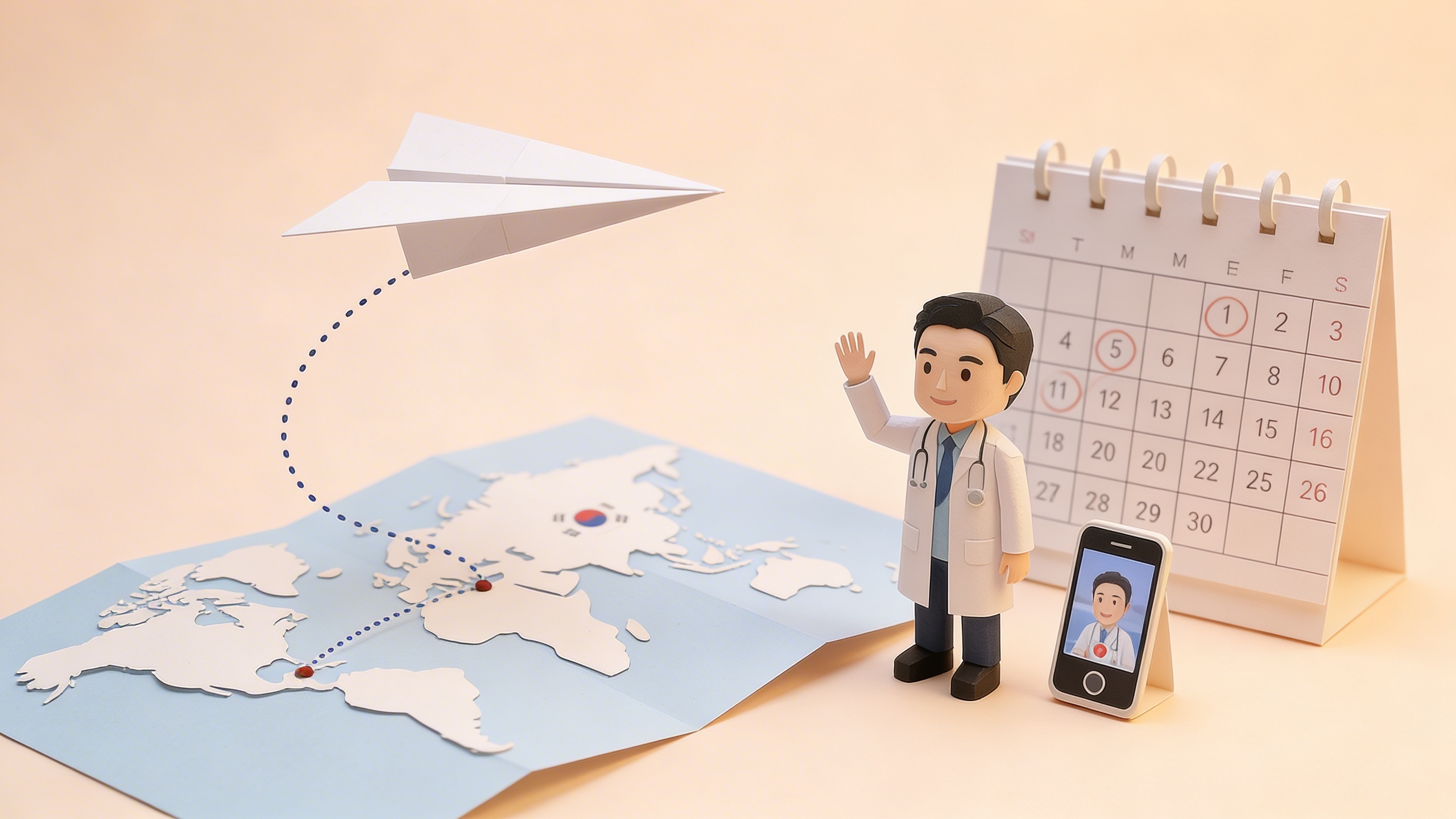
5) What Happens After You Return Home?
This is another critical safety question. A responsible surgeon/clinic should:
- Provide clear, written aftercare instructions
- Remain available for follow-up communication
- Explain what is normal—and what requires medical attention—during recovery
For international patients, structured remote follow-up (for example, via Zoom) can be helpful to monitor recovery and answer questions promptly after returning home.
Complications are uncommon, but when they do occur, early guidance matters more than reassurance alone.
Related video:
https://youtube.com/shorts/nXRiaK5cQ9A?si=bqCqVLS-gH0-SyOq
6) What Truly Determines Safety in Breast Augmentation
In the end, safety isn’t about Korea versus another country. It comes down to:
- The surgeon’s experience and clinical judgment
- How carefully the surgery is planned
- How closely recovery is monitored
- How accessible and structured follow-up care is for foreign patients
When these elements are in place, breast augmentation in Korea can be very safe for international patients.
Frequently Asked Questions from Foreign Patients
Is breast augmentation in Korea safe compared to other countries?
Safety depends more on the surgeon’s experience, surgical planning, intraoperative precision, and follow-up care than on the country itself. When these factors are well managed, Korea can be very safe.
How long should I stay in Korea after breast augmentation?
Most surgeons recommend staying 7–10 days to monitor early healing and to complete at least one postoperative check before flying home.
What if I have concerns after returning home?
A responsible clinic should provide clear written instructions and be available for remote follow-up. If you develop sudden swelling, increasing pain, fever, significant redness, or unusual discharge, you should seek local medical evaluation promptly.
Final Thoughts
Breast augmentation is not a one-day event. It’s a process that begins with planning and continues through recovery.
For international patients, choosing the right surgeon and care system matters far more than choosing a destination. When done properly, Korea is not just a popular choice—it can be a reliable one.

For foreign patients: Prioritize clear communication, structured follow-up, and a clinic that can support you after you return home.