If you are considering breast augmentation in Korea, you are joining a growing number of international patients who travel to Seoul each year for one of the most refined cosmetic surgery practices in the world.
This guide walks you through everything you need to know — implant types, surgical techniques, costs, safety standards, recovery timelines, and how to actually plan your trip. Whether you are flying in from Tokyo, Los Angeles, Singapore, Sydney, or Dubai, this is the roadmap.
Written by Dr. Choi Sang-mun, a board-certified breast augmentation specialist and director of Ryan Plastic Surgery in Seoul.
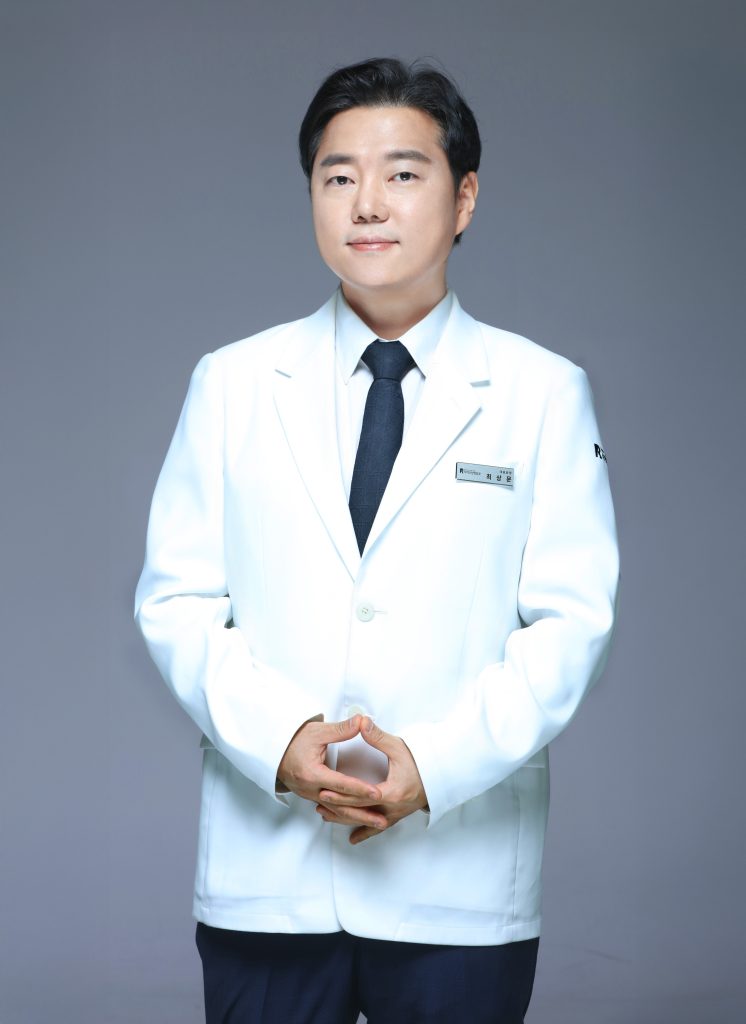
Table of Contents
- Why Korea Has Become a Global Destination for Breast Augmentation
- Types of Breast Augmentation Available in Korea
- Understanding Motiva — the Implant Most Korean Specialists Choose
- The Preserve Technique: Korea’s Minimally Invasive Method
- How Much Does Breast Augmentation Cost in Korea?
- Is Breast Augmentation in Korea Safe?
- Planning Your Trip: Timeline and Logistics
- Recovery After Breast Augmentation in Korea
- How to Choose Your Surgeon
- Frequently Asked Questions
1. Why Korea Has Become a Global Destination for Breast Augmentation
South Korea performs more cosmetic procedures per capita than any other country in the world — and breast augmentation in Korea has emerged as one of its most refined specialties. Three reasons explain why international patients increasingly choose Seoul:
Surgical volume builds expertise. Korean breast specialists operate at a volume rarely matched globally. High volume, paired with intense competition between specialists, has driven continuous refinement of techniques.
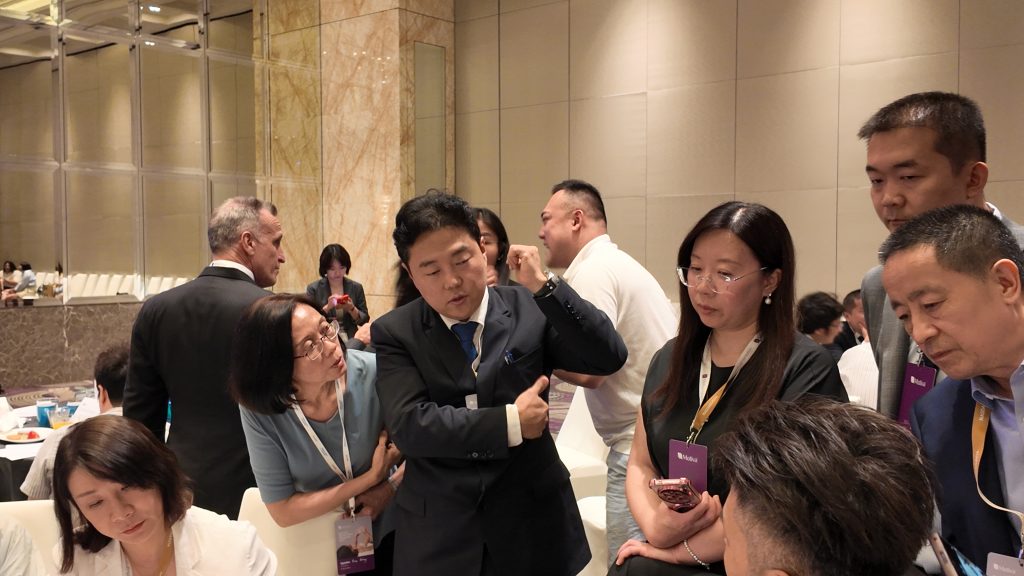
Advanced implants are standard, not premium. Motiva implants — widely considered the most advanced breast implants available today — are routinely used in Korea, while many Western markets still rely on older-generation devices.
Regulation is rigorous. South Korea’s Ministry of Food and Drug Safety (MFDS) enforces some of the strictest cosmetic surgery regulations in the world, requiring board certification, accredited surgical suites, and full implant traceability.
For an international patient, the result is a market where the median quality of breast augmentation is high, the technology is current, and the price is often lower than equivalent procedures in the United States, Japan, or Western Europe.
2. Types of Breast Augmentation Available in Korea
Korean specialists typically offer three broad categories of breast augmentation:
Implant-Based Augmentation
The most common procedure. A silicone or saline implant is placed either under the breast tissue (subglandular), under the muscle (submuscular), or in a hybrid plane. Motiva is the leading implant brand among Korean specialists.
Fat Transfer Augmentation
Body fat is harvested via liposuction and injected into the breasts. Produces a more subtle, natural-feeling result but with limits on size increase (typically half to one cup size per session).
Hybrid Augmentation
Combines implants with fat grafting — the implant provides volume, the fat grafting refines the upper pole and softens the transition. Increasingly popular among patients seeking the most natural-looking result.
Editor’s note: This guide focuses primarily on implant-based augmentation, as it represents the most common procedure for international patients. We will cover fat transfer and hybrid approaches in dedicated guides.
3. Understanding Motiva — the Implant Most Korean Specialists Choose
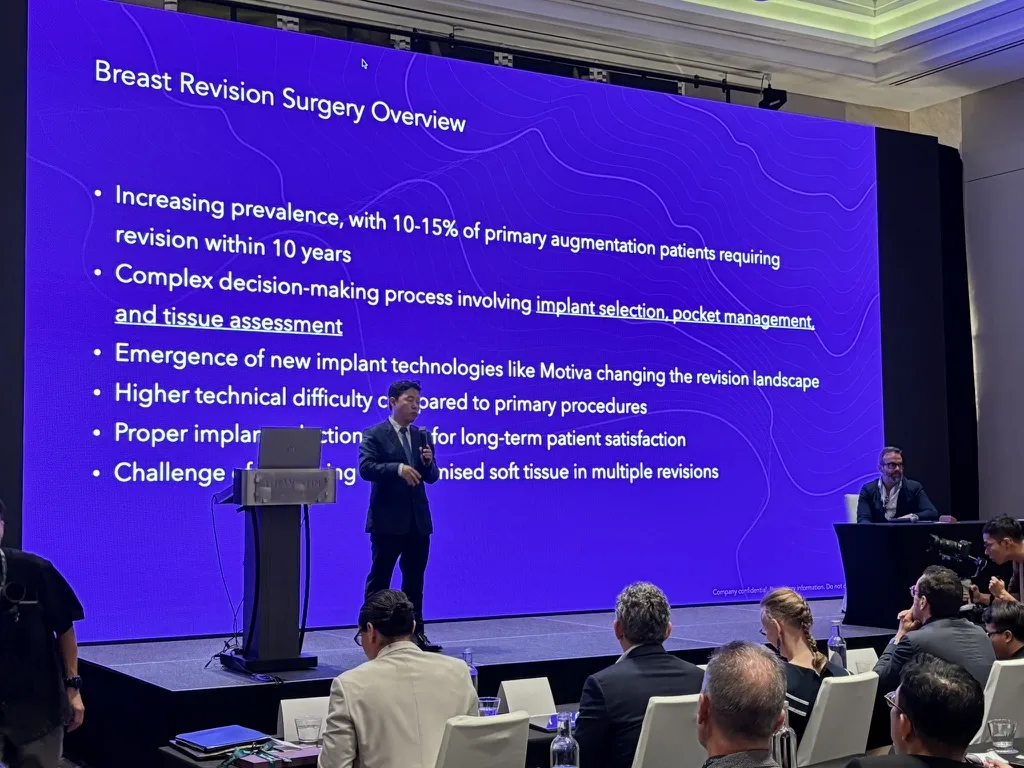
Motiva implants, developed by Establishment Labs, are used in over 80 countries and have an exceptional global safety record. They have become the de facto standard among Korean breast augmentation specialists for several reasons:
| Feature | Why It Matters |
|---|---|
| SmoothSilk® surface | Clinically associated with lower rates of capsular contracture compared to traditional textured implants |
| ProgressiveGel Ultima® | Highly cohesive yet natural-feeling gel that mimics real breast tissue |
| TrueMonobloc® shell | Durable enough to be inserted through small incisions — enabling minimally invasive surgery |
| Q Inside Safety Technology® | An embedded microchip providing lifetime traceability of your implant |
| Ergonomix® shape | Dynamic shape that shifts naturally with body position — neither pure round nor pure teardrop |
When choosing a Korean clinic, always confirm Motiva certification. Certified centers use verified authentic implants and register a 5-year warranty to each patient. In a global market where counterfeit implants remain a real concern, this verification is essential.
🔗 Learn more in our Motiva Implants Explained guide
4. The Preserve Technique: Korea’s Minimally Invasive Method
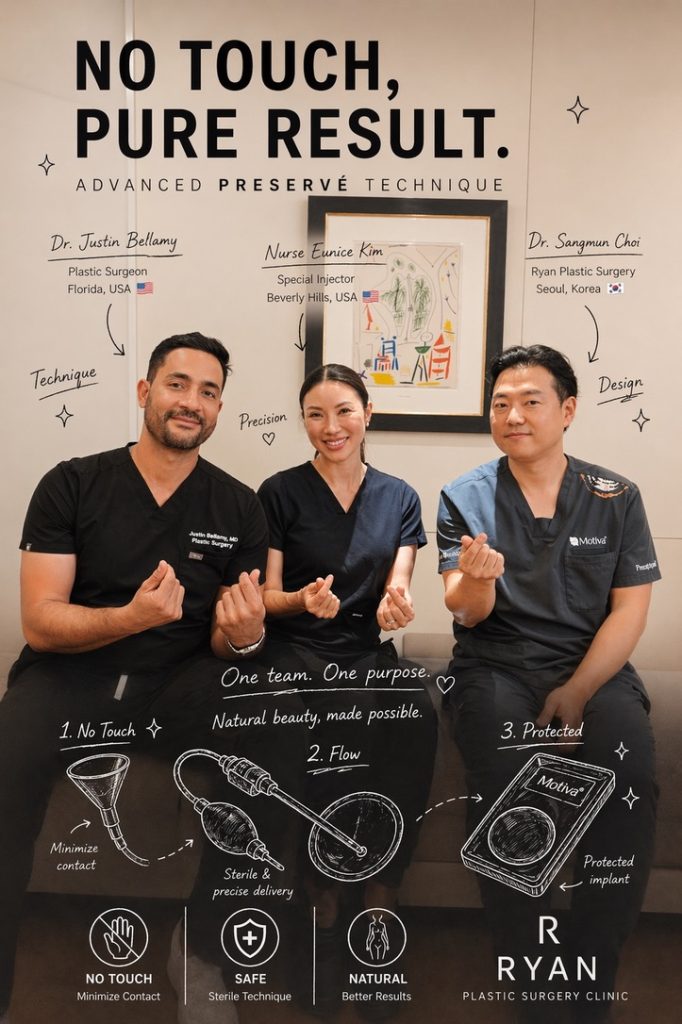
Beyond implant choice, surgical technique is what truly separates breast augmentation outcomes. The Preserve technique — a minimally invasive method that has gained traction among leading Korean specialists — is transforming how breast surgery is performed worldwide.
Compared to traditional breast augmentation, the Preserve technique:
- Preserves surrounding muscle and tissue structures
- Reduces post-operative pain, swelling, and bruising
- Allows many patients to walk, eat, and shower within 24 hours
- Produces smaller, better-hidden scars
- Speeds the return to daily activity
For international patients flying in for surgery, the Preserve technique is particularly valuable. A gentler operation means a shorter recovery period in Seoul, less discomfort on the flight home, and a faster return to your normal life.
🔗 Read the full Preserve Technique guide for clinical details
5. How Much Does Breast Augmentation Cost in Korea?
Breast augmentation cost in Korea varies based on implant type, technique, and surgeon expertise — but generally falls within a clear range:
| Component | Typical Range (USD) |
|---|---|
| Motiva implant-based augmentation | $6,000 – $10,000 |
| Hybrid (implant + fat graft) | $8,000 – $13,000 |
| Fat transfer only | $5,000 – $8,000 |
| Revision surgery | $7,000 – $14,000 |
For comparison, the same Motiva-based procedure in the United States typically ranges from $12,000 to $18,000, and in Singapore or Japan from $10,000 to $15,000.
What is included in a Korean specialist’s fee usually covers:
- Surgeon’s fee
- Authentic Motiva implants (with 5-year warranty)
- Operating room and anesthesia
- Pre-op evaluation and bloodwork
- Post-operative follow-up visits during your stay
- Long-distance follow-up after you return home
🔗 Detailed breakdown in our Breast Augmentation Cost in Korea (2026) guide
6. Is Breast Augmentation in Korea Safe?
Yes — when performed by a board-certified specialist at a licensed clinic. South Korea’s regulatory framework is among the world’s strictest:
- ✅ Plastic surgeons must be board-certified by the Korean Society of Plastic and Reconstructive Surgeons
- ✅ Surgical suites must be accredited and inspected
- ✅ Implants must be MFDS-approved and traceable
- ✅ Anesthesia must be administered or supervised by board-certified anesthesiologists
- ✅ Patient records are mandatory for a minimum legal period
What to verify before booking:
- The surgeon’s board certification (not just “plastic surgery experience”)
- The clinic’s Motiva certification, if Motiva implants are planned
- Whether anesthesia is performed by a dedicated, board-certified anesthesiologist
- Independent reviews from international patients, not only marketing testimonials
- Whether the clinic offers documented post-op follow-up — locally and after you return home
🔗 Full safety checklist in our Is Breast Surgery in Korea Safe? guide
7. Planning Your Trip: Timeline and Logistics
A realistic breast augmentation trip to Korea looks like this:
Before You Travel (4–8 weeks out)
- Free online consultation with your chosen specialist (video call)
- Submit photographs and medical history
- Receive a personalized treatment plan and quote
- Book your travel and lodging independently
- Receive pre-operative preparation instructions
Day 1 — Arrival in Seoul
- Rest and adjust to local time
- Avoid strenuous activity, alcohol, and heavy meals
Day 2 — In-Person Consultation and Final Plan
- Physical examination
- Final implant sizing and incision plan
- Pre-operative bloodwork
Day 3 — Surgery Day
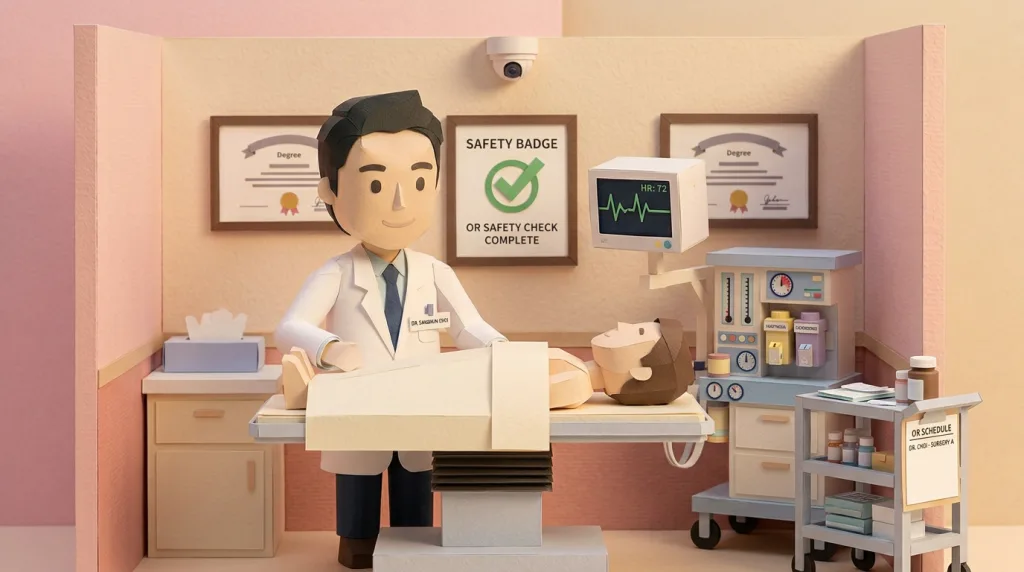
- Surgery typically takes 1–2 hours
- Discharge same day (with Preserve technique) or next morning
- First-night recovery in your accommodation
Days 4–7 — Recovery and Local Follow-Up
- 2–3 follow-up visits at the clinic
- Drain removal (if applicable)
- Stitch check or removal
Days 7–10 — Final Check and Travel Home
- Final post-op visit
- Travel clearance from your surgeon
- Long-distance follow-up plan established
Total stay: typically 7–10 days. Some patients return home as early as day 5, but most benefit from staying through day 7 for the final post-op evaluation.
🔗 See our How Long to Stay in Korea guide for full details
8. Recovery After Breast Augmentation in Korea
Recovery from breast augmentation with the Preserve technique is significantly faster than with traditional methods, but the basic milestones look like this:
| Phase | What to Expect |
|---|---|
| Days 1–3 | Mild swelling and tightness. Walking, eating, light daily tasks possible from day 1 with Preserve. |
| Week 1 | Stitches checked or removed. Most patients clear to fly home. |
| Weeks 2–4 | Return to office work and light social activity. Avoid heavy lifting. |
| Weeks 4–6 | Gradual return to light exercise. No upper-body weights yet. |
| Months 2–3 | Full exercise resumption. Implants begin to settle into final position. |
| Months 3–6 | Final shape and softness emerge. Most swelling resolved. |
🔗 Day-by-day details in our Breast Augmentation Recovery Timeline
9. How to Choose Your Surgeon
In a market with hundreds of clinics in Seoul alone, choosing the right specialist matters more than any other decision you will make. Key criteria:
1. Specialization, not generalization. Look for a surgeon whose practice is focused on breast augmentation — not a general cosmetic clinic offering breast surgery alongside dozens of procedures.
2. Volume and consistency. Ask how many breast augmentations the surgeon personally performs per month, and request a portfolio of before-and-after results similar to your body type and goals.
3. Implant authenticity. For Motiva, confirm certified-center status and request that your implant’s serial number be documented and given to you after surgery.
4. Honest consultation. A good surgeon will sometimes say “I don’t think this is the right procedure for you” — and explain why. Beware of clinics that promise everything.
5. International patient infrastructure. Online consultation, in-language communication, and long-distance follow-up are not luxuries — they are necessities for international patients.
10. Frequently Asked Questions
How long does breast augmentation surgery take in Korea?
Most breast augmentation procedures take 1 to 2 hours of operating time. With the Preserve technique, this can be even shorter due to reduced tissue dissection.
How long do I need to stay in Korea for breast augmentation?
Most international patients stay in Seoul for 7 to 10 days. The Preserve technique allows some patients to return home as early as day 5, but staying through day 7 for the final post-op check is generally recommended.
Are Motiva implants safe?
Yes. Motiva implants are approved by major regulators including the FDA, CE (Europe), MFDS (Korea), and PMDA (Japan), and are used in over 80 countries with an exceptional safety record. Korean certified Motiva centers register a 5-year warranty with each implant.
How much does breast augmentation cost in Korea compared to my country?
Motiva-based breast augmentation in Korea typically costs $6,000–$10,000 USD, compared to $12,000–$18,000 in the United States and $10,000–$15,000 in Singapore or Japan.
Can I breastfeed after breast augmentation?
Yes, in the majority of cases. The surgical approach used (especially incision choice and tissue preservation) affects breastfeeding capability. Discuss this with your surgeon if breastfeeding is a priority.
Is online consultation reliable for international patients?
For experienced specialists, yes. A thorough online consultation includes photo review, medical history, goals discussion, and a personalized plan. The in-person consultation on arrival confirms and refines the plan before surgery.
What happens if there is a complication after I return home?
Quality clinics provide structured long-distance follow-up, including video check-ins and coordination with local providers in your home country if needed.
Start Your Consultation
If you are ready to take the next step, the best place to begin is a free online consultation. Share your photos, your goals, and your timeline — and receive a personalized assessment from a board-certified breast augmentation specialist.
There is no cost and no obligation.
👉 Book your free online consultation at ryanps.com.