Plastic surgery doesn’t advance in isolation. The best of it travels — across operating rooms, across conferences, and, every so often, across an ocean. A surgeon learns one way of doing things, then sits across from someone who learned another, and both leave with a slightly wider view.
That was the spirit of a recent afternoon at our clinic, when Dr. Justin Bellamy, a board-certified plastic surgeon practicing in Florida, USA, joined Dr. Sangmun Choi to talk through how each of them approaches breast augmentation.
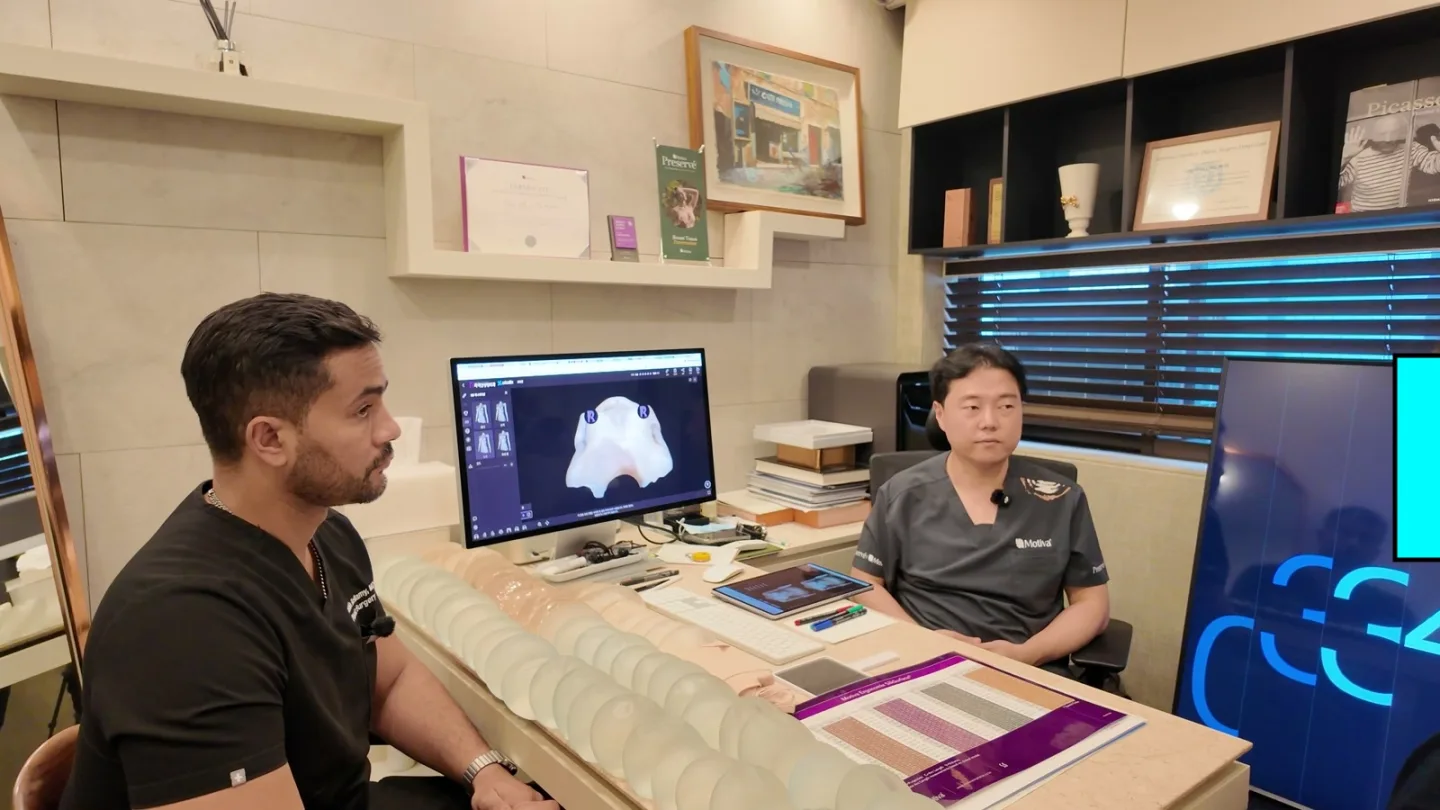
A conversation across borders
Breast augmentation is a procedure of many small decisions: the type of implant, the incision, the extent of dissection, and the plane the implant sits in. Surgeons — and surgical cultures — can arrive at the same goal by different routes.
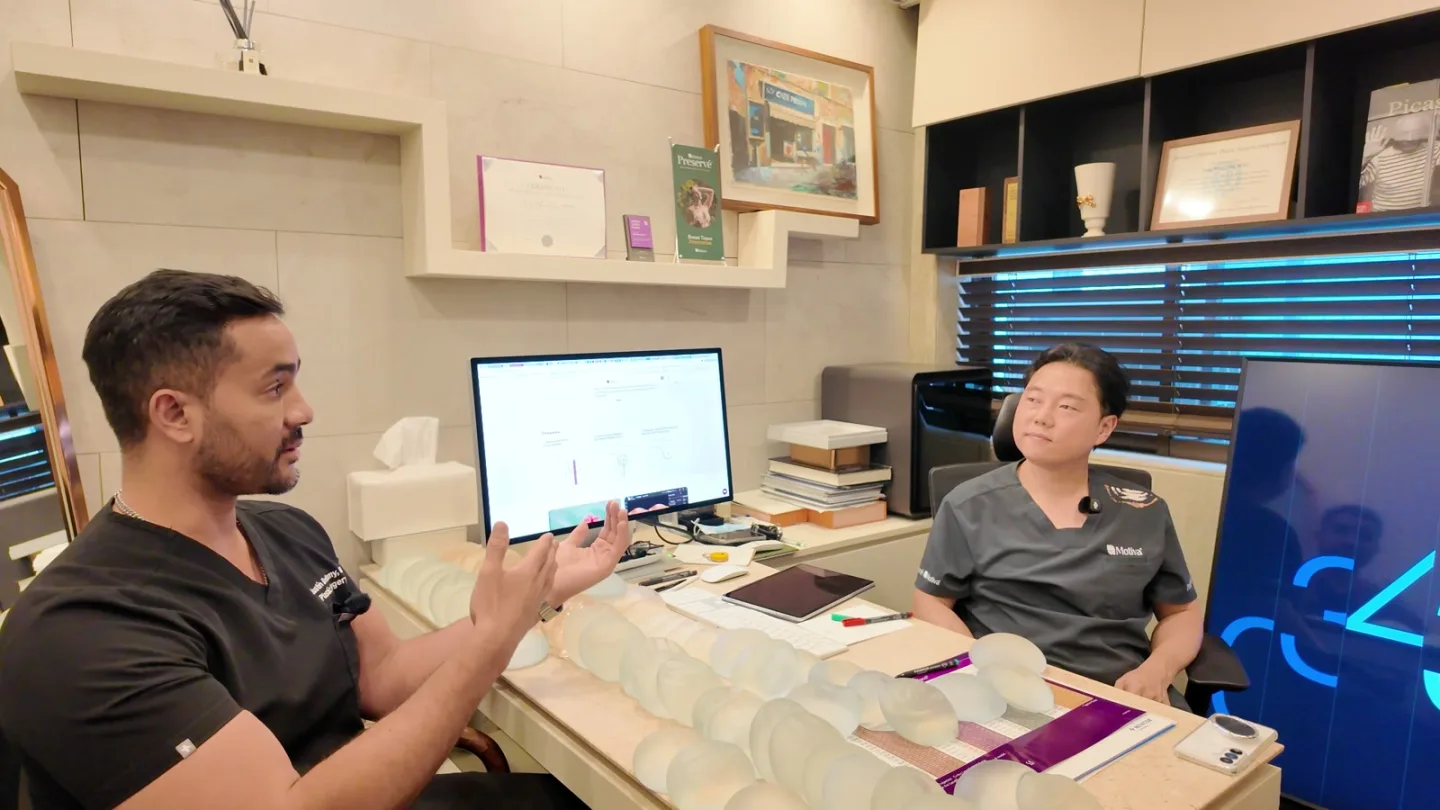
Much of the conversation was simply that: comparing the criteria each surgeon uses to build a surgical plan, and the things each watches for during recovery. It was less about settling on a single right answer and more about widening the lens through shared clinical experience.
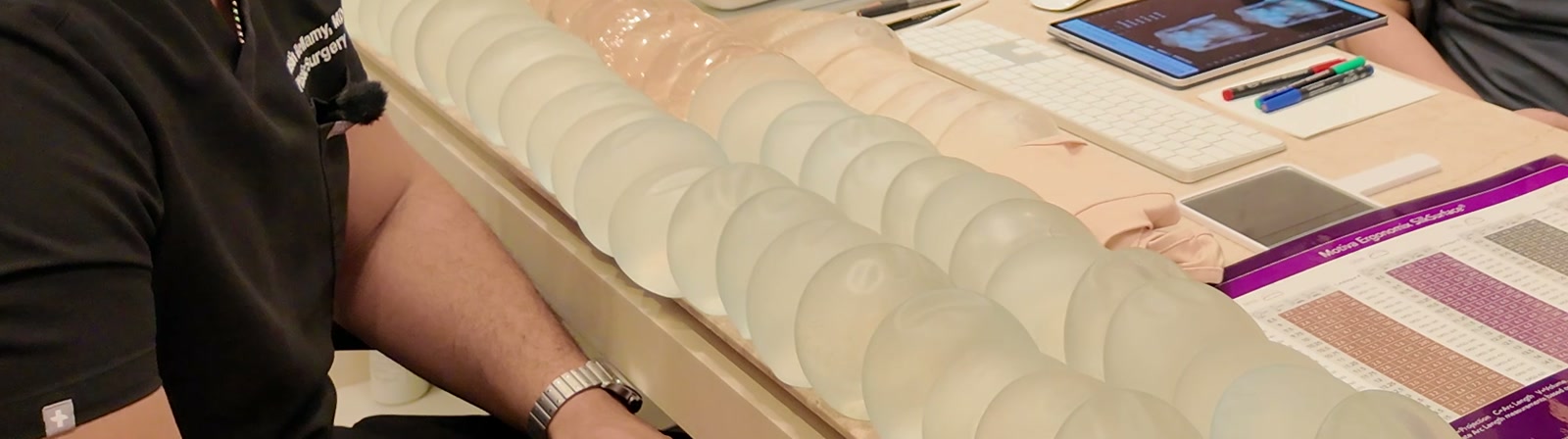
Preservé: an approach built around preserving tissue
At the center of the discussion was an approach oriented toward minimizing tissue disruption — what is often referred to as the Preservé philosophy.
Preservé describes a technique that aims to preserve healthy tissue as much as possible during surgery. It is not a one-size-fits-all method: whether and how it applies varies with each person’s anatomy and condition. Every technique carries its own trade-offs and limits, so any real application has to follow a thorough examination and consultation.
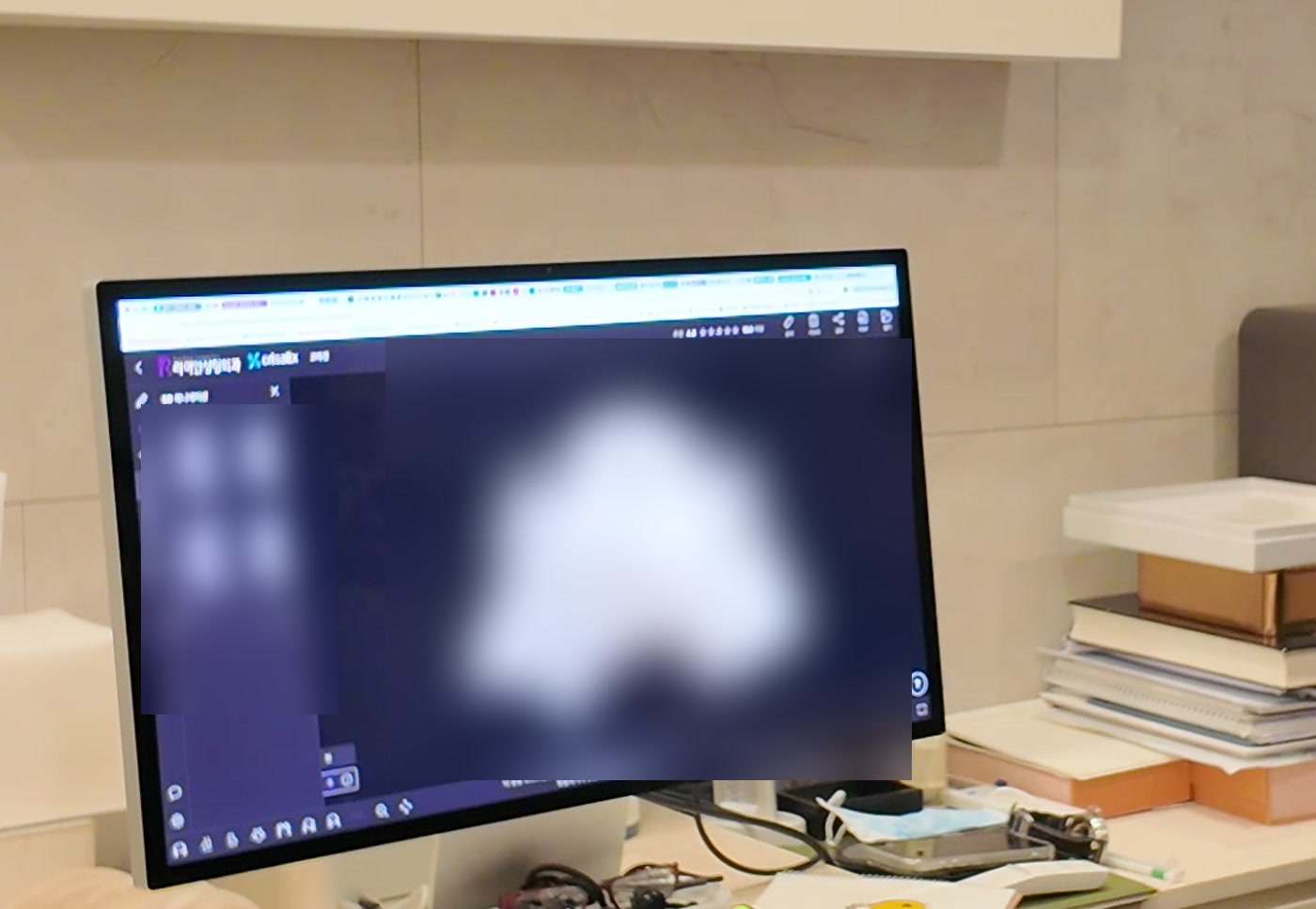
The part that matters most: planning
What both surgeons kept returning to was that the work around the surgery — the consultation and the plan — often matters as much as the operation itself. The same procedure can produce different results and recovery patterns depending on a patient’s body type, tissue characteristics, and lifestyle.
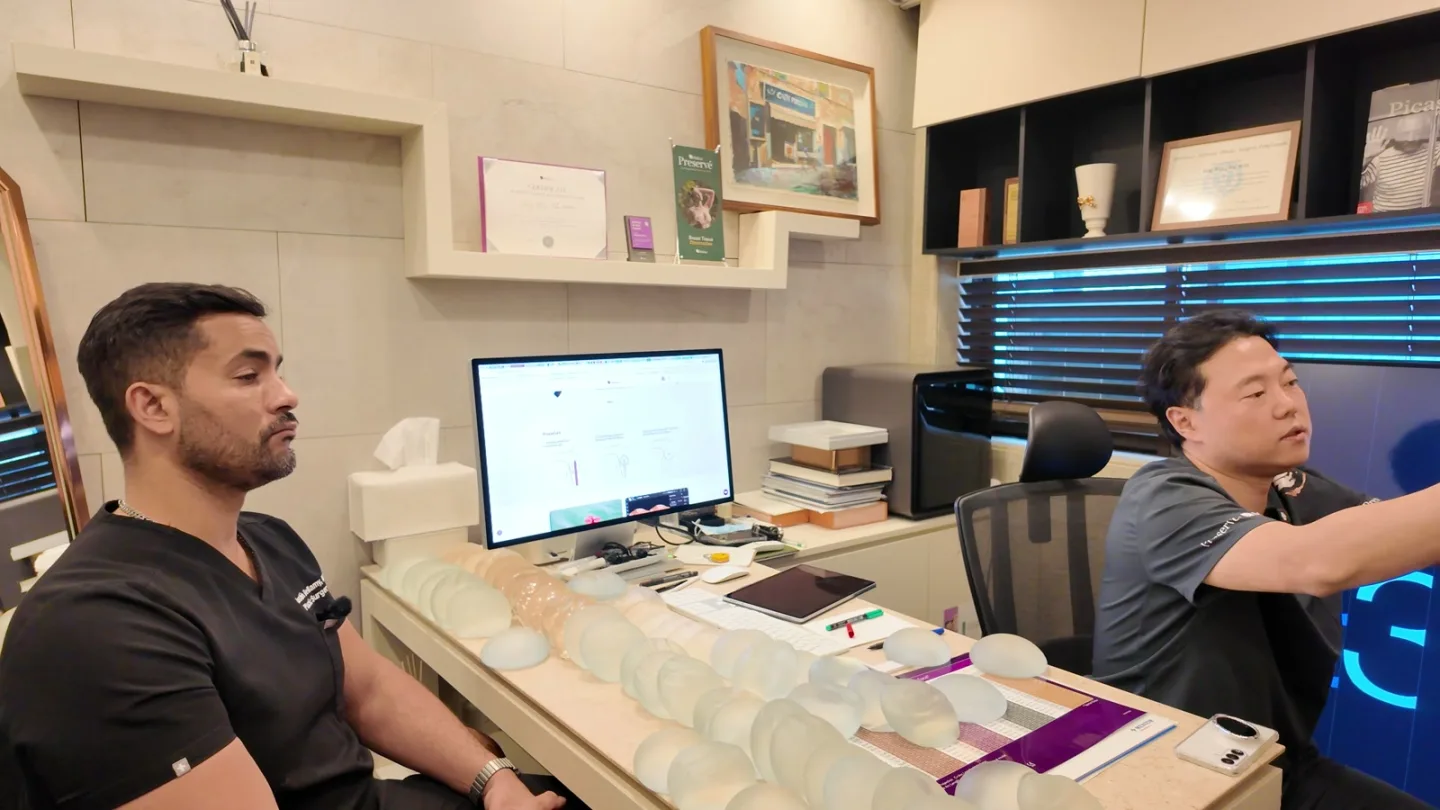
That is why the consultation is treated as the place to understand a patient’s starting point honestly, and to talk through both what is hoped for and what is realistically possible.
A closing note
Dr. Bellamy’s visit was a genuinely useful afternoon — a chance to pressure-test technique against another’s and to learn from it. Exchanges like these are how a practice keeps adding depth to the care it offers.
Please note: This post is informational and educational, sharing an academic exchange between surgeons. All surgery carries the possibility of side effects and complications — including bleeding, infection, swelling, capsular contracture, and implant-related issues — and outcomes and recovery vary from person to person. Any decision about surgery should be made only after a thorough consultation with a board-certified plastic surgeon.