When planning breast implant placement in Korea, implant size is only one part of the decision. The implant plane is just as important.
The implant pocket, or the space where the implant is placed, can affect the final shape, recovery, pain, muscle movement, animation deformity, and long-term comfort. This is why consultation should not only focus on cup size or implant brand. It should also explain where the implant will sit and why that plane is appropriate for your body.
At Ryan Plastic Surgery Clinic in Korea (최상문 박사, 라이안성형외과), implant placement is planned according to the patient’s anatomy, tissue thickness, lifestyle, desired shape, and safety profile. Ryan Plastic Surgery Clinic performs many Preserve Technique breast augmentation cases for selected patients, especially when muscle preservation, less discomfort, and faster recovery are important goals.

Breast Implant Placement in Korea: Quick Answer
For many active women considering breast augmentation in Korea, subfascial implant placement can be attractive because it preserves the pectoralis muscle and may reduce animation deformity. Submuscular and dual plane placement are still useful for selected patients who need more upper-pole coverage or specific shaping. The best choice depends on tissue thickness, implant size, activity level, breast shape, and whether fat grafting can improve soft-tissue coverage.
At Ryan Plastic Surgery Clinic in Korea (라이안성형외과), the consultation focuses on choosing the safest implant plane for the patient’s body rather than using one technique for everyone.
Why Breast Implant Placement in Korea Matters
Breast implants can be placed in different anatomical planes. The most commonly discussed approaches are:
- Subfascial placement: above the pectoralis muscle, under the fascia
- Submuscular placement: under the pectoralis muscle
- Dual plane placement: partially under the muscle and partially under the breast tissue
Each method has advantages and limitations. There is no single best plane for every patient.
The right choice depends on:
- Breast tissue thickness
- Skin elasticity
- Chest wall shape
- Implant size and profile
- Existing breast volume
- Degree of sagging
- Exercise habits
- Risk of visible implant edges
- Desire to avoid muscle-related discomfort
- Revision history
A good surgical plan matches the implant placement to the patient’s actual anatomy, not to a trend.
What Is Subfascial Breast Implant Placement?
In subfascial breast augmentation, the implant is placed above the pectoralis muscle but beneath the pectoral fascia. The fascia is a thin connective tissue layer covering the muscle.
This approach is often discussed as a muscle-preserving option because the surgeon does not need to cut or lift the pectoralis muscle in the same way as under-the-muscle approaches. It is also closely related to the Preserve Technique, a modern breast augmentation concept that aims to reduce unnecessary tissue trauma.
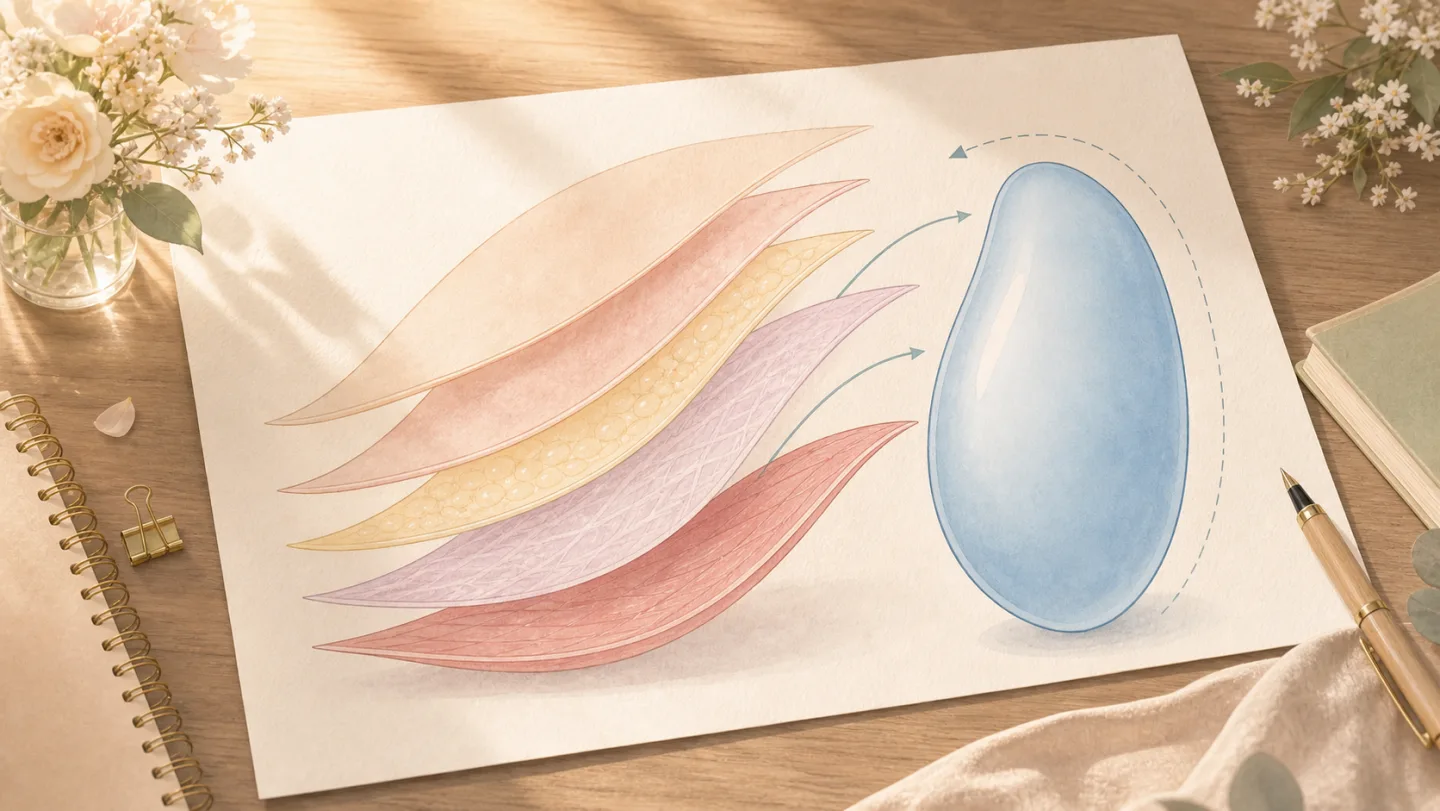
Potential advantages may include:
- Less muscle trauma
- Less movement-related discomfort
- Faster early recovery in suitable patients
- No animation deformity from pectoralis muscle contraction
- A more natural movement pattern during exercise
- A softer feel in selected patients
For women who are active, exercise frequently, or use their upper body often, avoiding muscle disruption can be meaningful. Many women today do weight training, Pilates, yoga, swimming, golf, tennis, and other activities that involve the chest and shoulder muscles. In these patients, a muscle-preserving implant plane can be attractive because it may reduce discomfort related to muscle movement.

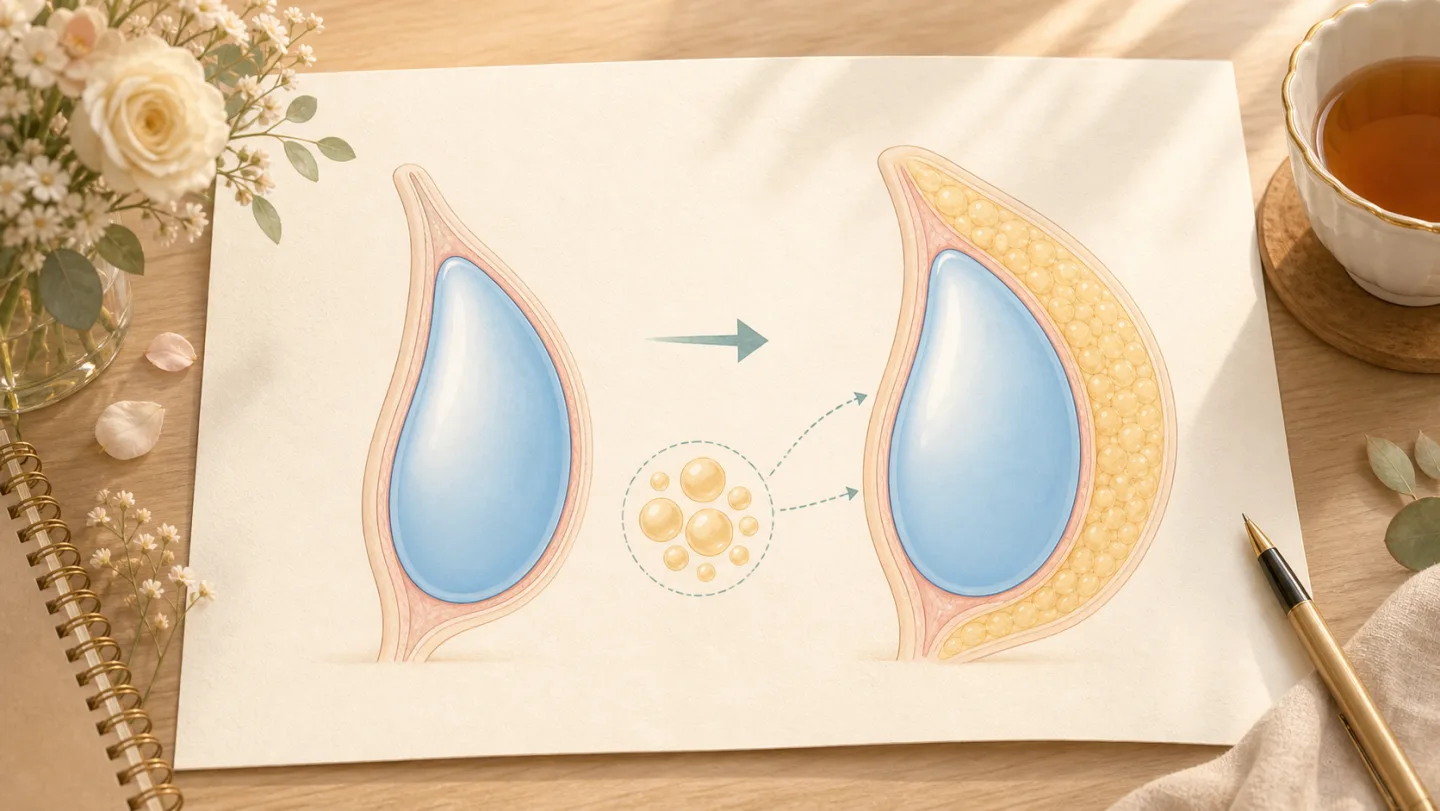
One common concern with subfascial placement is soft-tissue coverage. If a patient has thin breast tissue or thin subcutaneous fat, implant edges or rippling may be more noticeable. However, this limitation can sometimes be improved by combining breast augmentation with fat grafting. Fat grafting can add a soft layer of coverage in selected areas, helping compensate for thin tissue and supporting a more natural contour.
This does not mean every thin patient is automatically a candidate for subfascial placement. It means that modern planning can be more flexible. With the right anatomy, implant choice, and fat grafting strategy, some patients who previously may have been considered less ideal for over-the-muscle placement may still have a muscle-preserving option.
What Is Animation Deformity?
Animation deformity refers to visible implant movement or breast distortion when the pectoralis muscle contracts. It is most commonly associated with implants placed under the muscle.
For example, the breast may move upward, flatten, or change shape when a patient:
- Exercises
- Lifts weights
- Pushes with the arms
- Performs chest or shoulder movement
- Contracts the pectoralis muscle
Some patients do not mind this. Others find it uncomfortable, unnatural, or embarrassing, especially if they are athletic.
This is one reason subfascial and muscle-preserving techniques have become more popular. If the implant is not under the pectoralis muscle, the muscle does not push or distort the implant in the same way during movement.
For patients comparing implant placement in Korea, animation deformity is one of the main reasons to ask whether a muscle-preserving option such as subfascial placement or Preserve Technique may be appropriate.
What Is Submuscular Breast Implant Placement?
In submuscular breast augmentation, the implant is placed under the pectoralis muscle. This approach has historically been used because the muscle can provide additional coverage over the implant, especially in patients with thin tissue.
Potential advantages may include:
- More soft-tissue coverage in the upper breast
- Lower visibility of implant edges in thin patients
- Long history of use
- Useful in selected patients who need extra coverage
However, submuscular placement also has tradeoffs:
- More muscle-related pain in some patients
- Longer or more uncomfortable early recovery
- Risk of animation deformity
- Possible discomfort during exercise
- Implant movement with muscle contraction
For active women, this can be a real concern. If a patient regularly exercises or uses her upper body, the relationship between the implant and pectoralis muscle should be discussed clearly during consultation.
What Is Dual Plane Breast Augmentation?
Dual plane breast augmentation is a variation where the implant is partly under the pectoralis muscle and partly under the breast tissue. It can provide upper-pole coverage while allowing the lower breast to expand.
Dual plane can be useful for selected patients, especially when the surgeon wants to balance implant coverage and breast shape.
Potential advantages may include:
- Good upper-pole coverage
- Useful for selected mild sagging cases
- Long clinical experience
- Flexible shaping for certain breast types
Possible limitations include:
- Some muscle disruption
- Possible animation deformity
- More recovery discomfort than muscle-preserving approaches
- Implant movement related to pectoralis contraction
Dual plane remains useful in many cases, but it is not automatically the best choice for every patient.
How Preserve Technique Changes the Conversation
Preserve Technique breast augmentation focuses on minimizing unnecessary tissue trauma and preserving important anatomical structures as much as possible.
At Ryan Plastic Surgery Clinic, Preserve Technique is frequently performed for selected patients when the anatomy and surgical goal are appropriate. The key concept is that the breast can be enhanced without unnecessarily damaging the muscle.
You can also read more about this approach here: Preserve Technique breast augmentation in Korea.
Because the pectoralis muscle is not cut or lifted in the same way as traditional under-the-muscle surgery, suitable patients may experience:
- Less pain
- Faster early recovery
- Less tightness
- Easier arm movement
- No pectoralis-related animation deformity
- More comfort during active lifestyles
This is one reason the approach is becoming more popular among modern patients. Many women today are active, work out regularly, and want a result that feels comfortable not only when standing still, but also when moving.
Why Motiva Implants Are Often Used With Muscle-Preserving Surgery
Implant choice also matters. At Ryan Plastic Surgery Clinic, Motiva implants are often considered for muscle-preserving breast augmentation because they are designed to support a soft, natural feel and have clinical data suggesting a low capsular contracture rate.
Capsular contracture is a complication where scar tissue around the implant becomes thick, tight, or painful. It can change the breast shape and may require additional treatment.
Published and reported Motiva data have shown low capsular contracture rates, with some selected data reporting rates around 0.5% to less than 1%. This does not mean the risk is zero, and it does not guarantee the same result for every patient. However, it is one reason Motiva is frequently discussed in modern breast augmentation planning.
In selected cases, Motiva implants can be used with a muscle-preserving approach, meaning the surgeon can place the implant without cutting the pectoralis muscle. The goal is to preserve the muscle, reduce unnecessary trauma, and support a comfortable recovery.
Subfascial vs Submuscular vs Dual Plane: Simple Comparison
| Placement | Where the Implant Sits | Main Benefit | Main Consideration |
|---|---|---|---|
| Subfascial | Above the muscle, under fascia | Muscle preservation, less animation deformity | Needs enough soft-tissue coverage |
| Submuscular | Under the pectoralis muscle | More implant coverage in thin patients | More muscle pain, animation deformity risk |
| Dual Plane | Partly under muscle, partly under tissue | Good shaping for selected cases | Some muscle disruption remains |
This comparison is simplified. The best choice depends on individual anatomy.
Who May Benefit From Subfascial or Preserve Technique?
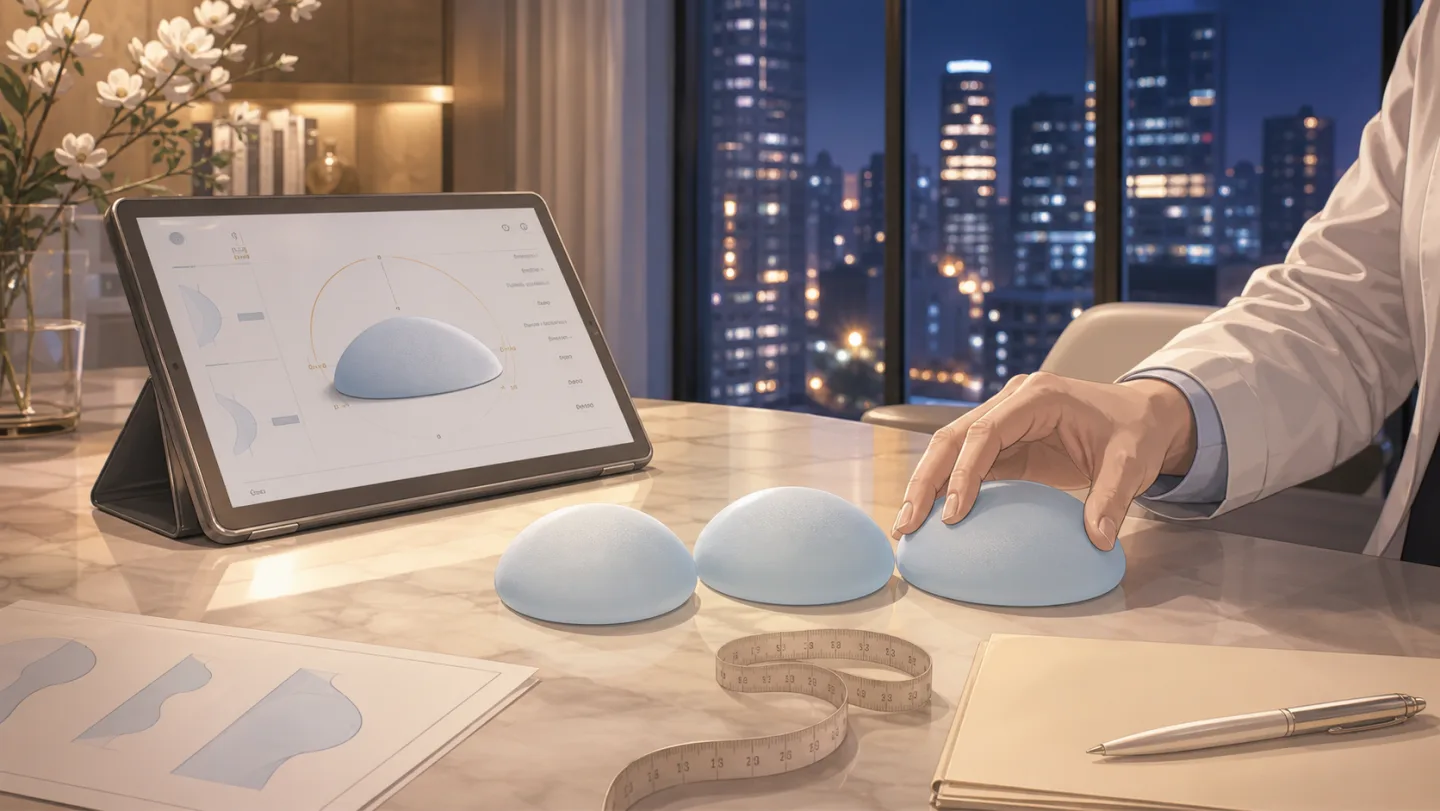
Subfascial or Preserve Technique breast augmentation may be considered for patients who:
- Want a natural-looking result
- Want less muscle trauma
- Are physically active
- Want to reduce animation deformity risk
- Prefer a smoother early recovery
- Have enough tissue coverage for over-the-muscle placement
- Are suitable for Motiva or similar modern implants
- May benefit from fat grafting to improve soft-tissue coverage
It may not be ideal for every patient. Patients with very thin tissue, significant sagging, major asymmetry, revision needs, or very large implant goals may need another plan. However, thin tissue does not always rule out a muscle-preserving approach. In selected patients, fat grafting can be used to improve coverage and reduce some of the disadvantages of subfascial placement.
What International Patients Should Know
Many international patients stay in Korea for about one week after breast augmentation, complete early follow-up, then return to their home country.

For suitable patients, muscle-preserving breast augmentation may make that first week more comfortable. Less muscle disruption can mean less tightness and easier movement during early recovery.
However, careful follow-up is still necessary. Breast augmentation is still surgery, and complications such as infection, bleeding, delayed wound healing, implant malposition, capsular contracture, or asymmetry are always possible.
Before returning home, your surgeon may prescribe antibiotics or additional medication to reduce infection risk and support recovery after travel. Take medication exactly as instructed.
For a more detailed recovery timeline, see: How long should you stay in Korea after breast augmentation?
Questions to Ask During Consultation
Before choosing a breast implant placement in Korea, ask your surgeon:
- Which implant plane do you recommend for my body?
- Am I suitable for subfascial placement?
- Would dual plane or submuscular placement be safer for me?
- Will my pectoralis muscle be cut or lifted?
- Am I at risk for animation deformity?
- Is Motiva a good implant option for my anatomy?
- Would fat grafting help if my tissue is thin?
- What is my risk of visible implant edges or rippling?
- How long should I stay in Korea?
- Will I receive antibiotics before flying home?
Clear answers are more useful than a one-size-fits-all technique.
FAQ: Breast Implant Placement in Korea
What is the best breast implant placement in Korea?
There is no single best placement for every patient. Subfascial, submuscular, and dual plane placement each have advantages. The best choice depends on tissue thickness, breast shape, implant size, activity level, and the patient’s risk of implant visibility or animation deformity.
Is subfascial breast augmentation better for active women?
Subfascial placement may be helpful for selected active women because it preserves the pectoralis muscle. This can reduce pectoralis-related implant movement during exercise and may make early recovery more comfortable.
Can thin patients choose subfascial implant placement?
Some thin patients may still be candidates, especially when fat grafting can improve soft-tissue coverage. However, very thin tissue, significant sagging, or large implant goals may require another approach.
Does Preserve Technique prevent animation deformity?
Preserve Technique aims to avoid unnecessary pectoralis muscle damage. When the implant is placed in a muscle-preserving plane, there may be less pectoralis-related animation deformity compared with under-the-muscle placement.
Why are Motiva implants often discussed with muscle-preserving surgery?
Motiva implants are often considered because they are designed for a soft, natural feel and have reported low capsular contracture rates in selected clinical data. The right implant still depends on the patient’s anatomy and surgical plan.
Bottom Line
Breast implant placement affects recovery, comfort, movement, and long-term satisfaction.
Submuscular and dual plane approaches are still useful for selected patients, especially when extra coverage or specific shaping is needed. However, for many active women, muscle-preserving approaches such as subfascial placement and Preserve Technique are becoming more popular because they may reduce pain, avoid animation deformity, and allow a smoother early recovery.
At Ryan Plastic Surgery Clinic in Korea (라이안성형외과), the goal is not simply to place an implant. The goal is to choose the implant plane that fits the patient’s anatomy, lifestyle, and safety needs. Because Ryan Plastic Surgery Clinic performs many Preserve Technique cases, the consultation can also evaluate whether muscle preservation, subfascial placement, Motiva implants, and fat grafting may work together for a more comfortable and natural result.
For selected patients, Motiva implants and Preserve Technique can support a modern breast augmentation plan that preserves the pectoralis muscle, reduces unnecessary trauma, and creates a natural result with a comfortable recovery.
Disclaimer: This article is for general educational purposes only and does not replace medical advice. Always follow the instructions of your surgeon or qualified healthcare professional.
References:
Pingback: Breast Augmentation in Korea for Active Women: Why Muscle Preservation Matters - Breast Surgery Korea
Pingback: Breast Implant Rippling in Thin Patients | Korea